Illuminate Your Residential Property: The Very Best Practices for Landscape Lighting Design
Reliable landscape Lighting style plays an important role in boosting a property's visual and security. By recognizing the function behind each Lighting choice, one can develop a harmonious ambience. Choosing the right components and intending a thoughtful design are essential actions. However, the trick to really changing a room depends on recognizing which features to highlight and just how to do so. What methods can one use to achieve a magnificent yet functional landscape?
Comprehend the Objective of Landscape Lighting
Landscape Lighting offers a dual purpose: improving safety and security and raising visual allure. Properly created Lighting lights up driveways, actions, and paths, lowering the risk of mishaps throughout nighttime. By highlighting these crucial locations, home owners can ensure that guests browse their building safely. Landscape Lighting can deter potential intruders by illuminating dark corners and entry points, thus boosting security. - architectural lighting
In enhancement to safety and security, landscape Lighting plays a significant role in showcasing the beauty of a residential property. Attentively put lights can highlight architectural features, foliage, and water aspects, producing a fascinating ambiance after sundown. Various Lighting strategies, such as uplighting and downlighting, can change a mundane outdoor space right into a captivating sanctuary. Eventually, understanding the purpose of landscape Lighting permits house owners to produce a harmonious equilibrium in between security and aesthetic appeals, improving both the functionality and aesthetic charm of their outdoor settings.
Pick the Right Fixtures
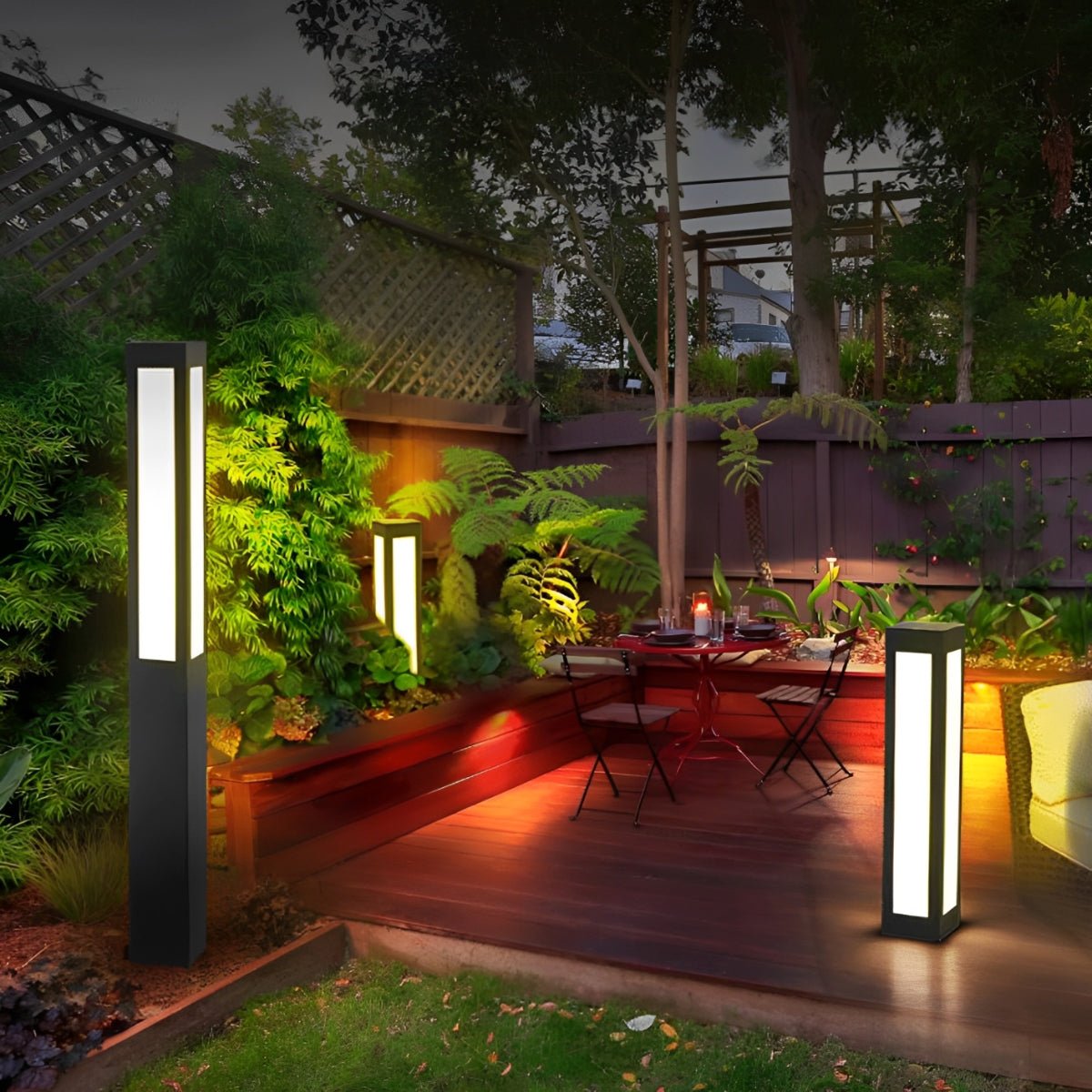
Choosing the appropriate components is vital for accomplishing both functionality and visual charm in landscape Lighting design. The option of fixtures need to line up with the particular demands of the room, thinking about elements such as design, resilience, and illumination. Various sorts of components, including course lights, limelights, and wall sconces, offer various functions, from illuminating pathways to highlighting building features.
Materials additionally play an essential function; choices like copper and stainless-steel offer longevity and resistance to weather conditions, making sure the components remain visually appealing in time. Furthermore, using energy-efficient LED lights can boost efficiency while reducing energy costs.
Ultimately, choosing the appropriate components involves balancing visual impact with useful considerations, consequently producing an unified atmosphere that boosts the property's overall appeal and safety and security - outdoor lighting. This thoughtful strategy prepares for a successful landscape Lighting style that fulfills both useful and aesthetic objectives
Strategy Your Lighting Format
A well-balanced Lighting format can dramatically improve the performance and charm of outdoor spaces. To create an effective layout, it is necessary to assess the residential or commercial property's unique attributes and recognize exactly how they can be highlighted through Lighting. Homeowners should begin by mapping out a representation of the landscape, marking key areas such as sidewalks, patio areas, and yards. This visual depiction assists in organizing the layout and guaranteeing adequate coverage.
Next off, they must think about the purpose of each Lighting fixture, whether it is for safety, ambiance, or aesthetics. Incorporating different kinds of Lighting, such as course lights, spotlights, and wall surface sconces, can produce a natural appearance while serving details functions. Preparation the placement of components is essential; they should be placed to avoid glow and produce an inviting environment. Finally, copyrightining the layout prior to setup permits adjustments, making sure the result is both visually attractive and useful.
Concentrate On Secret Includes
Highlighting crucial attributes in the landscape can transform an outdoor area into an exciting setting. Strategic Lighting can accentuate specific elements such as trees, sculptures, or architectural details of a home, producing a prime focus that improves the general visual. By utilizing numerous sorts of components-- such as limelights, uplights, or course lights-- developers can effectively display these features while including deepness and measurement to the environments.
Along with boosting elegance, highlighting vital attributes additionally raises safety and security and presence, specifically in sidewalks and access factors. outdoor lighting installation Nashville. This method not only enriches the landscape but also welcomes visitors to discover the property further. It is vital to choose the right strength and shade temperature level of light, making sure that the functions are lit up without overwhelming the senses. By attentively preparing which elements to highlight, landscape Lighting can develop an unified balance between capability and creative expression
Consider the Angle of Light
Understanding the angle of light is essential in landscape Lighting design. The angle at which light is cast can drastically influence the assumption of a room. By illuminating attributes from numerous angles, designers can develop depth and appearance, improving the overall visual. A low angle might emphasize the elevation of trees or architectural components, casting long darkness that add drama. Conversely, a high angle can give uniform lighting, reducing rough contrasts and fostering a softer ambiance.
Additionally, the angle of light influences visibility and safety and security. Inadequately tilted lights can create glow or rare important paths and obstacles. It is necessary, for that reason, to assess each area's distinct qualities, consisting of the positioning of components and the surrounding environment. Correct consideration of light angles not just highlights focal points but also makes certain functionality and security, permitting house owners to appreciate their outdoor areas both night and day.
Usage Layers of Lighting
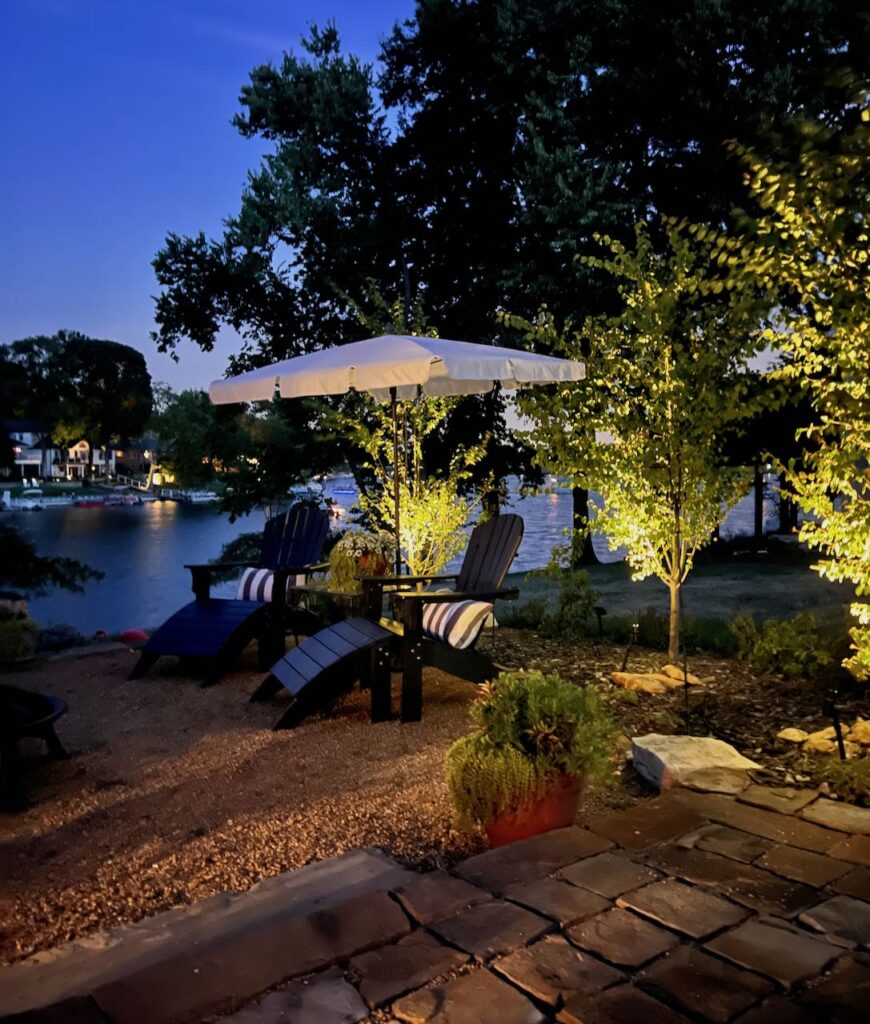
Including multiple layers of Lighting can considerably boost the total result of a landscape design. By combining ambient, task, and accent Lighting, homeowner can produce a dynamic and inviting environment. Ambient Lighting supplies basic lighting, ensuring safety and visibility across the entire space. Task Lighting concentrates on particular areas, such as pathways or seating, permitting practical use after dark. Accent Lighting highlights architectural features, trees, or yard aspects, including deepness and rate of interest to the landscape.
Go With Energy-Efficient Solutions
In landscape Lighting design, selecting energy-efficient solutions can considerably minimize electrical energy prices and environmental impact. LED Lighting provides long-lasting efficiency and reduced energy consumption contrasted to standard bulbs. In addition, solar-powered alternatives supply a sustainable choice, taking advantage of natural power to light up exterior spaces properly.
LED Lighting Perks
As property owners increasingly focus on sustainability, LED Lighting arises as a top selection for landscape Lighting design as a result of its energy effectiveness and long life expectancy. Contrasted to standard incandescent bulbs, LEDs eat up to 80% much less energy, significantly decreasing electrical energy costs. Their durability adds to their charm; with life expectancies averaging 25,000 hours or even more, they need less frequent replacements, further minimizing waste. LEDs additionally generate less warmth, lowering the risk of burns and fire risks in outdoor setups. Furthermore, they are available in a variety of shades and brightness degrees, offering flexibility in layout. This versatility permits house owners to produce tailored lighting systems that improve the charm and safety of their landscapes, making LED lighting a clever investment for modern outdoor spaces.
Solar-Powered Options
While homeowners look for sustainable remedies for their outside spaces, solar-powered landscape Lighting attracts attention as an energy-efficient alternative. These systems harness sunlight throughout the day, converting it right into energy for nighttime lighting, consequently decreasing electrical power prices. Solar lights are simple to mount, needing no wiring or electrical work, making them a suitable choice for do it yourself enthusiasts. Offered in various styles, they can boost the visual charm of yards, patios, and paths. Furthermore, advancements in solar innovation have actually boosted brightness and durability, making certain reputable efficiency. However, proper placement is critical; positioning lights in areas with sufficient sunshine direct exposure optimizes their efficiency. On the whole, solar-powered options offer an environment-friendly Lighting remedy that enhances modern landscape design layouts.
Keep Your Landscape Lighting
Normal upkeep of landscape Lighting is crucial for ensuring both functionality and aesthetic allure. Homeowners should routinely inspect components for particles, corrosion, and dust, as these can decrease light output and performance. Cleansing lenses and replacing burnt-out light bulbs immediately can enhance lighting and lengthen the life expectancy of the system. Additionally, copyrightining circuitry and connections is crucial to stop electric issues that might develop in time.
Seasonal adjustments, such as rearranging fixtures or readjusting timers, can enhance Lighting effects throughout the year. Cutting surrounding plant life assists keep clear sightlines, making sure that light reaches intended locations.
When using solar-powered alternatives, it is vital to keep track of battery performance and solar panel positioning to ensure maximum direct exposure to sunshine. Regular maintenance not only maintains the Lighting system's functionality however additionally enhances the general beauty of the landscape, creating an inviting ambience for locals and visitors alike.
Often Asked Concerns
What Are the Ideal Kinds Of Bulbs for Landscape Lighting?
LED light bulbs are usually considered the most effective selection for landscape Lighting due to their energy effectiveness, durability, and reduced warmth exhaust. Additionally, they use a series of color temperatures to boost outside aesthetics effectively.
Just How Can I Make Sure Security With My Landscape Lighting?
To guarantee safety and security with landscape Lighting, one must use weather-resistant components, safe wiring to prevent tripping dangers, employ low-voltage systems, and purposefully position lights to light up paths while lessening glow and dark areas.
What Is the Ordinary Cost of Putting Up Landscape Lighting?
Just how Frequently Should I Replace My Landscape Lighting Fixtures?
Landscape Lighting fixtures ought to normally be changed every 5 to ten years, depending upon aspects like worldly top quality, direct exposure to components, and use. Routine maintenance can prolong their lifespan, guaranteeing optimal efficiency and visual appeals.
Can I Install Landscape Lighting Myself, or Should I Work with a Specialist?
Individuals can install landscape Lighting themselves, provided they have fundamental electrical knowledge and abilities. Nevertheless, hiring a professional makes certain security, adherence to local codes, and optimum style, inevitably improving the residential property's aesthetic allure and performance.
Reliable landscape Lighting style plays a vital role in improving a property's aesthetic and safety and security. Landscape Lighting serves a use this link dual function: boosting safety and raising aesthetic charm. Recognizing the angle of light is vital in landscape Lighting style. Integrating numerous layers of Lighting can substantially improve the general impact of a landscape style. As property owners progressively prioritize sustainability, LED Lighting emerges as a leading selection for landscape Lighting layout due to its power effectiveness and long lifespan.